Willow & Wilde Designs Blog
Welcome to our blog, read our thoughs and inspiration for watercolour British wildlife and animals.

It is widely known how important wildlife is in England and how communities must work together to protect green spaces. This doesn’t necessarily mean going above and beyond, but being able to make small life changes and understanding the importance of keystone species can be a significant step in helping to make a difference.
Across the UK, there are a number of keystone species that are being reintroduced to the UK after extinction. In the southeast of England, this includes European bison and the European pine marten, and in the near future, red squirrels will make a comeback to our woodlands. The gradual reintroductions that are happening across the UK highlight the importance and urgency of information being shared about these native species and their individual importance to improving biodiversity in the UK.
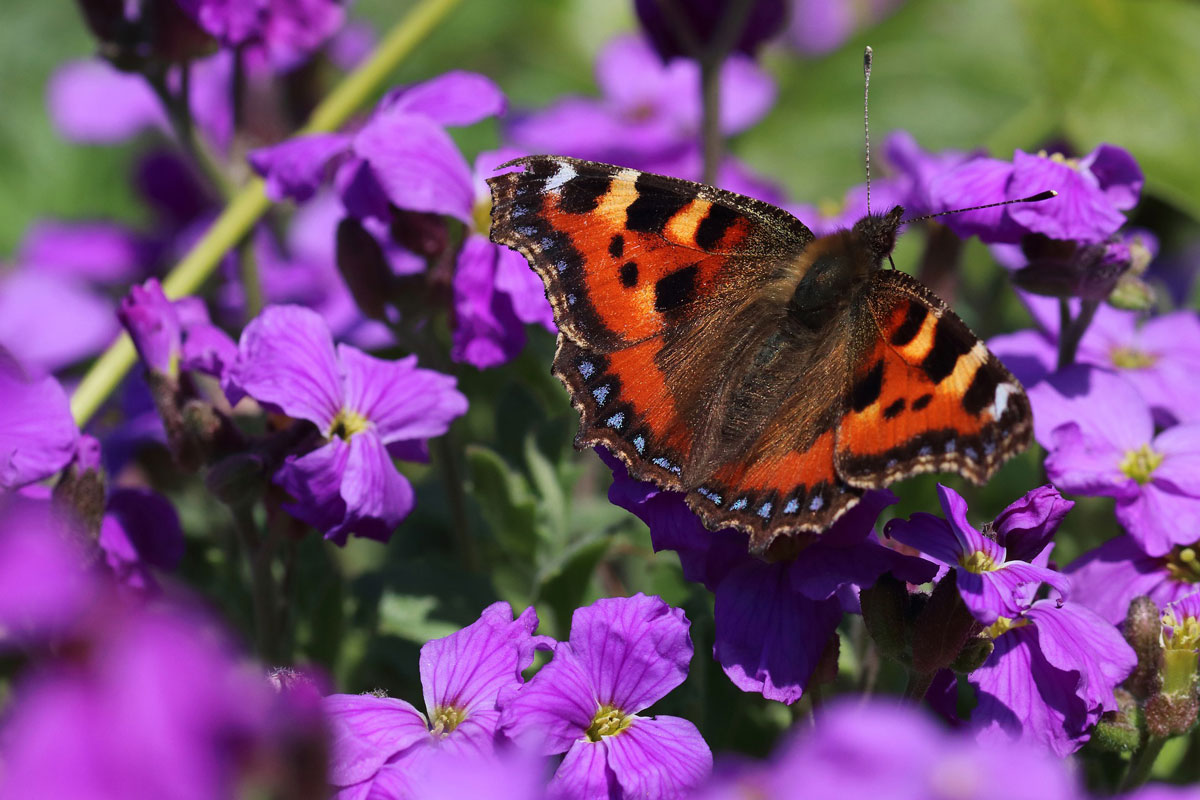
It is extremely important for the younger generation to be educated about keystone species. In the hopes that becoming more aware will promote interest and conservation efforts to improve the likelihood of a successful reintegration. If successful, each species has a unique purpose; for example, pine martens should help to reduce the high number of grey squirrel populations, which will allow for a successful reintroduction of red squirrels back to UK woodlands. In addition, European bison help by debarking, creating open areas of grasslands. This attracts insects, lizards, and butterflies and improves biodiversity in open areas.
Alongside these important reintroductions, it is important to recognise the wildlife we have in the UK and how we can help attract wildlife to green spaces. There are simple ways to educate ourselves to find out how we can do this. For example, learning about breeding seasons, and one of the longest breeding periods is birds. This season can run anywhere from February to August, and within that time it is important for people to not disturb hedgerows, trees and bushes in case birds are nesting. Although this is widely known, people often forget or simply consider that their hedge would be unlikely to have birds nesting, but in any case, it is always important to check.
Other ways to help keep our wildlife safe can be fun and rewarding. For instance, this could be creating a home for certain types of mammals when it comes to hibernation season. Moreover, this could be a makeshift house, made out of wood or cardboard. As well, it is easy to buy a premade home from a shop, but I’m sure making your own will be more enjoyable. The home can be filled with straw dust or newspaper and placed in your garden, preferably in a corner or in the flower bed so it is hidden. This will hopefully lead to hedgehogs using this as a means of safety or sleep. It may only be a small gesture, but it can be widely appreciated by our wildlife.
Another way to get involved is to build a bug house. This can be made from anything lying around your garden, like twigs, items with holes in, and compost. Creating bug hotels can be a great way of attracting and protecting our insects within our garden. As well, it’s a perfect way to get kids involved by making a bug house and to further educate them on the ways to protect and conserve our insects. Lastly, introducing bird feeders to attract different species can not only be beneficial for the birds’ survival but also exciting. New breeds may appear in your garden each day.
There are, of course other ways to help the environment. One main aspect can be reducing the amount of plastic that you buy and use every day. Luckily there are many eco-friendly methods nowadays. These methods can cut down your plastic consumption and stop it affecting our wildlife and aquatic species. Ways to do this can be simple and very effective. Firstly, use cloth bags when you go food shopping instead of using plastic, as they’re reusable, easy to pack away and a great alternative. Luckily, cloth bags are now sold in most supermarkets over the country, so it’s easy to pick a few up and start reducing your plastic consumption. In addition, you can also use less plastic inside your home by using glass or steel Tupperware/storage. This can drastically lessen the amount you use. As well as practicing reusing products like reusable makeup pads. This can help the industry cut down on mass-producing products which are packaged with plastic.
By learning about keystone species and the reintroductions that are happening across the UK, as well as how we can help common wildlife. These small steps can help improve conservation efforts and protect vital habitats to ensure the survival and success of our UK wildlife.

Unit 9, Honeycrest Industrial Estate,
Lodge Road, Staplehurst,
Kent TN12 0RX